What Are the Top Types of Green Lawn Mat?

Time:2026-09-10 Author:Ethan
0%

Green Lawn Mat has moved beyond a simple backyard covering. It now serves balconies, playground edges, patios, pet areas, and sports surfaces. Grand View Research estimates that the global artificial turf market will continue growing through 2030, supported by water-conscious landscaping and urban development. However, market growth does not make every mat suitable for every site.

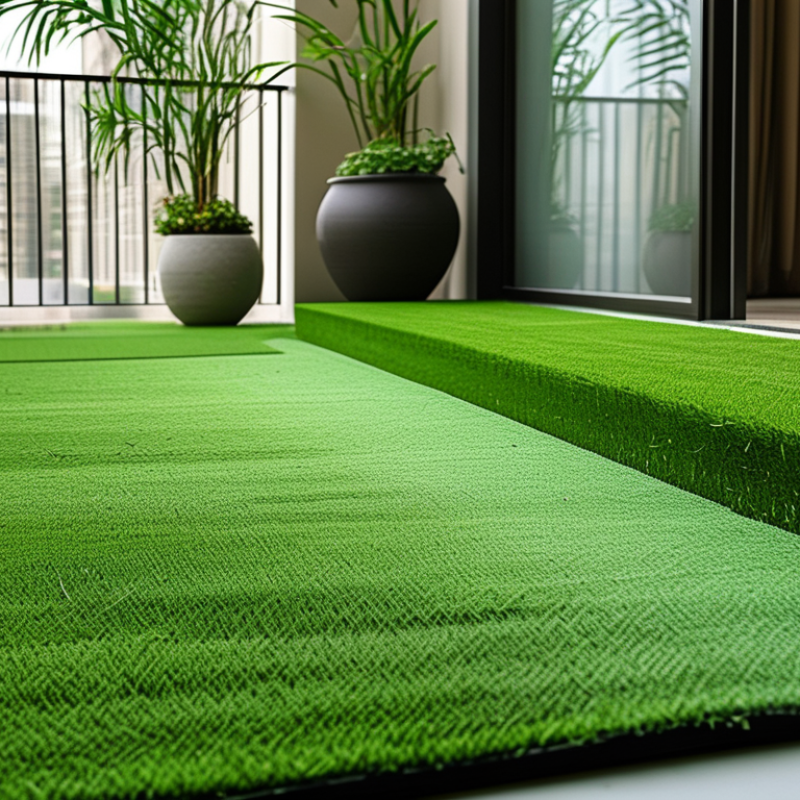
Material remains the practical starting point. Polyethylene Green Lawn Mat usually offers a softer touch and more natural-looking blades. Polypropylene mats often cost less and suit light decorative use. Nylon provides stronger resilience, although it can feel firmer underfoot. Hybrid products combine fibers, backing systems, and different pile heights. Some are designed for drainage, while others emphasize appearance. The choice becomes visible beside a patio door, where flattened blades, trapped water, or loose seams quickly expose weak construction.

Industry reports from Grand View Research and Allied Market Research identify durability, installation demand, and low-maintenance landscaping as major market influences. Yet product labels can oversimplify performance. Buyers should examine pile density, backing quality, UV resistance, drainage speed, and warranty conditions. Relevant testing standards, including ASTM methods for synthetic turf performance, can also support more reliable comparisons.

No single mat wins everywhere. A shaded balcony needs different performance from a sunny play area. That sounds obvious, but buyers still miss it. This guide compares the top types of Green Lawn Mat through material behavior, comfort, drainage, maintenance, and expected service conditions. The conclusions are practical, not absolute. Real performance depends on installation quality, climate, foot traffic, and routine cleaning.
What Are the Top Types of Green Lawn Mat?

What Is Green Lawn Mat and How Is It Used?

Green lawn mat usually means a manufactured grass surface supplied in rolls, tiles, or small mats. It uses synthetic blades attached to a backing layer. Some products imitate short ornamental grass, while others resemble thicker sports turf. The backing may include drainage holes, rubber, or a flexible mesh.

People use green lawn mat on balconies, patios, exhibition floors, and temporary outdoor areas. It can cover worn soil around seating spaces or create a cleaner surface for children’s activities. Event workers often choose roll mats because they install quickly and store easily. For pets, a washable mat with strong drainage is more practical than a dense decorative surface.

Installation still needs care. The ground should be reasonably flat, clean, and dry. Uneven paving can create wrinkles, loose edges, and uncomfortable walking points. A drainage layer helps outdoor mats dry after rain, but it cannot replace proper slope and water management. Regular brushing removes flattened blades and surface debris. Occasional rinsing reduces dust and odors.

In real use, artificial grass rarely looks perfect up close. Sunlight may fade exposed fibers, and heavy furniture can leave permanent marks. I have also seen inexpensive mats curl at the corners after temperature changes. That detail is easy to overlook. Checking backing quality, blade density, drainage, and intended traffic level makes selection more reliable. Safety deserves attention too, especially around stairs, wet surfaces, and active play areas.

The Main Types of Green Lawn Mat by Material

What Are the Top Types of Green Lawn Mat?

The main types of green lawn mat differ by material, texture, drainage, and expected use. Polyethylene is soft, flexible, and natural-looking. It suits balconies, patios, play areas, and light foot traffic. Its blades usually feel comfortable under bare feet.

Polypropylene is more affordable and keeps a bright green appearance. However, it can flatten faster under frequent use. It works well for temporary displays, small decorative spaces, and low-traffic corners. PVC-backed mats add stability and resist moisture, but some products may feel less breathable. Rubber-backed options grip smooth floors effectively. They are practical near entrances, though they can become warm under strong sunlight.

I once chose a low-cost mat without checking drainage. It looked attractive, but trapped water caused an unpleasant smell. The material alone does not decide quality.

Tips: Check the backing, blade density, drainage holes, and UV resistance before buying. For pets or rainy areas, choose fast-draining construction and rinse the mat regularly. Measure the space twice. Small mistakes are surprisingly common. Natural-fiber lawn mats can feel pleasant and eco-conscious, but they often need more care and dry slowly. Product specifications should match your climate, cleaning habits, and daily foot traffic, not only the color.

How Green Lawn Mats Differ in Texture and Appearance

What Are the Top Types of Green Lawn Mat?

Green lawn mats vary most clearly in texture, blade height, density, and color variation.

Short-pile mats usually measure below 20 millimeters. They feel firm and trimmed, with a neat appearance for balconies, displays, and light foot traffic.

Medium-pile mats, often 20 to 35 millimeters, create softer cushioning. Their blades bend more naturally and resemble freshly cut grass.

High-pile mats above 35 millimeters look fuller, but they may flatten without regular brushing.

That difference matters in real use, not only in product photos.

Texture also depends on blade shape. Flat blades feel smoother, while curled or ribbed fibers add spring and visual depth.

Two-tone mats combine several green shades with subtle brown fibers. This reduces the overly bright, plastic-like appearance.

Grand View Research’s 2024 artificial turf market report estimates the global market will continue growing strongly through 2030. That growth reflects wider demand for low-maintenance landscaping, but market size does not guarantee realistic texture.

I learned this the hard way: a dense mat can still feel stiff underfoot.

Tips:

Request physical samples before ordering. Rub the surface with your palm and bend the backing slightly. Check whether the blades recover after pressure. View the mat in daylight, because indoor lighting can hide blue or yellow undertones. For heavy use, compare drainage data and backing construction, not appearance alone. No sample fully predicts long-term wear, which is worth remembering.

Where Each Type of Green Lawn Mat Works Best

What Are the Top Types of Green Lawn Mat?

Where Each Type of Green Lawn Mat Works Best

Green lawn mats differ in pile height, backing, drainage, and resilience. Choosing the right type depends on location, traffic, and maintenance expectations.

Landscape mats suit balconies, patios, rooftops, and small garden paths. Their medium pile creates a soft, natural appearance without demanding regular mowing. Sports mats usually have shorter, denser fibers. They work better beside training areas, school yards, and recreational spaces where people move quickly. However, they may feel less comfortable for barefoot sitting.

Pet-friendly mats need strong drainage and a backing that resists trapped moisture. They work well in dog runs, kennels, and compact outdoor areas. Putting mats have very short, firm fibers. They are best for practice corners, not general lounging. Decorative mats can brighten exhibitions, entrances, or temporary events, but repeated heavy traffic may flatten them sooner than expected. No type is perfect. I would inspect the backing carefully, because a beautiful surface can still fail after one wet season.

Tips: Measure the area first. Check drainage before installation. Choose a stable base for busy zones. Brush high-traffic sections regularly. Test a small sample under sunlight, since green shades can look different outdoors. If children or pets use the mat, verify surface temperature and cleaning requirements before purchase.

How to Choose the Right Green Lawn Mat for Your Needs

What Are the Top Types of Green Lawn Mat?

Green lawn mats come in several practical forms. Artificial grass mats offer a neat look with little daily maintenance. Short-pile mats suit balconies, entrances, and small patios. Longer-pile mats feel softer under bare feet, but they can trap leaves and moisture. Rubber-backed mats provide stability on smooth floors. Permeable mats work better where rainwater needs to escape. Material also matters. Polyethylene feels soft, while polypropylene often handles frequent foot traffic well.

How to Choose the Right Green Lawn Mat for Your Needs

Start with the location, not the color. Measure the area carefully, including corners and door clearance. A thick mat may block a door or create a tripping edge. Check the backing for drainage holes if the mat will stay outdoors. For children or pets, choose a soft surface with secure edges and easy cleaning. Bright green may look attractive online, yet sunlight can make it appear different in person. I once focused too much on appearance and overlooked water buildup. That choice needed correction.

Tips: Place a small sample under direct sunlight before buying. Bend one corner and inspect the backing. It should recover without cracking. For busy walkways, select a dense, shorter pile. For decorative use, texture may matter more than durability. Clean spills quickly. Even weather-resistant mats need occasional rinsing and drying. Use a non-slip layer when the floor feels polished. Check it after rain.

FAQS

: What are the main types of green lawn mats?

: Common types include polyethylene, polypropylene, PVC-backed, rubber-backed, and natural-fiber mats. Each material offers different softness, drainage, grip, and maintenance needs. It depends.

Which material feels most natural under bare feet?

Polyethylene usually feels soft, flexible, and comfortable under bare feet. It often creates a more natural-looking surface for balconies, patios, and play areas. Texture still matters.

Is polypropylene suitable for busy areas?

Polypropylene is affordable and keeps a bright green appearance. However, frequent pressure may flatten it faster than expected. It suits temporary displays and low-traffic corners better.

What backing works best outdoors?

Permeable backing with drainage holes helps rainwater escape quickly. PVC backing adds stability but may reduce breathability in some designs. Check the underside carefully.

Are rubber-backed mats good near entrances?

Rubber-backed mats grip smooth floors effectively and reduce unwanted movement. They work well near entrances, but strong sunlight can make them warm. Test the surface first.

How does pile height change the mat’s appearance?

Short-pile mats usually stay below 20 millimeters and look neat and trimmed. Medium-pile mats, around 20 to 35 millimeters, provide softer cushioning. High-pile mats look fuller but may flatten without brushing.

How can I choose the right mat for my space?

Measure the area, corners, and door clearance before ordering. A thick edge can block a door or create a tripping hazard. Measure twice.

What should I check before buying a green lawn mat?

Check blade density, backing quality, drainage holes, UV resistance, and cleaning requirements. Place a sample in direct sunlight to notice hidden blue or yellow tones. Looks can mislead.

How should green lawn mats be cleaned?

Rinse outdoor mats regularly, especially after rain or pet use. Remove spills quickly and allow the mat to dry fully. Trapped water may create an unpleasant smell.

Are natural-fiber lawn mats easy to maintain?

Natural-fiber mats can feel pleasant and environmentally considerate. They often need more care and dry slowly after moisture exposure. That trade-off is easy to overlook.

Conclusion

Green Lawn Mat is a practical surface covering designed to create a clean, comfortable, and visually appealing green area in places where natural grass may be difficult to grow or maintain. It can be used for balconies, patios, gardens, event spaces, play areas, and temporary outdoor decoration. Depending on its material, the main types may include synthetic fiber mats, lightweight plastic mats, rubber-backed options, and blended surfaces. Each material offers different levels of durability, water resistance, softness, and maintenance requirements.

Green Lawn Mat products also vary in texture and appearance, from short, closely woven surfaces to thicker designs that resemble lush grass. Some provide a neat, uniform look, while others offer a more natural and layered appearance. The best choice depends on where the mat will be installed, how often it will be used, exposure to weather, drainage needs, comfort preferences, and available maintenance time. By comparing material, texture, size, durability, and intended use, buyers can select a Green Lawn Mat that fits both their practical needs and visual expectations.


Ethan

Ethan

Ethan is a seasoned marketing professional with a deep expertise in our company's innovative product line. With a passion for sharing knowledge and insights, he takes the lead in regularly updating our corporate blog, where he explores industry trends, product features, and effective marketing......