Choosing among China’s top sanitizing mat manufacturers requires more than comparing product photos and factory slogans. A reliable Sanitizing Mat supplier should demonstrate practical production experience, stable material sourcing, and clear quality-control procedures. This guide examines manufacturers serving hospitals, food-processing plants, laboratories, commercial kitchens, and other controlled environments.
The evaluation considers mat construction, surface texture, drainage performance, disinfectant compatibility, and resistance to repeated foot traffic. Details matter. A strong mat should remain stable under wet shoes, clean efficiently, and avoid curling at the edges. Manufacturer capabilities also include mold design, color customization, logo printing, packaging, and export support. Factory audits, product samples, test reports, and customer feedback provide stronger evidence than promotional claims alone.
No manufacturer is perfect. Some published specifications remain incomplete, while production quality may vary between standard and customized orders. That uncertainty deserves attention. Buyers should request current samples, confirm material composition, and review inspection procedures before placing large orders. Pricing can also mislead when thinner materials appear attractive but wear quickly in busy entrances. The selected companies are therefore discussed through a practical and evidence-based lens, balancing product performance, manufacturing capacity, communication, and after-sales reliability. Small details often reveal the difference: a cleanly bonded edge, accurate dimensions, and packaging that protects the mat during long-distance shipping.
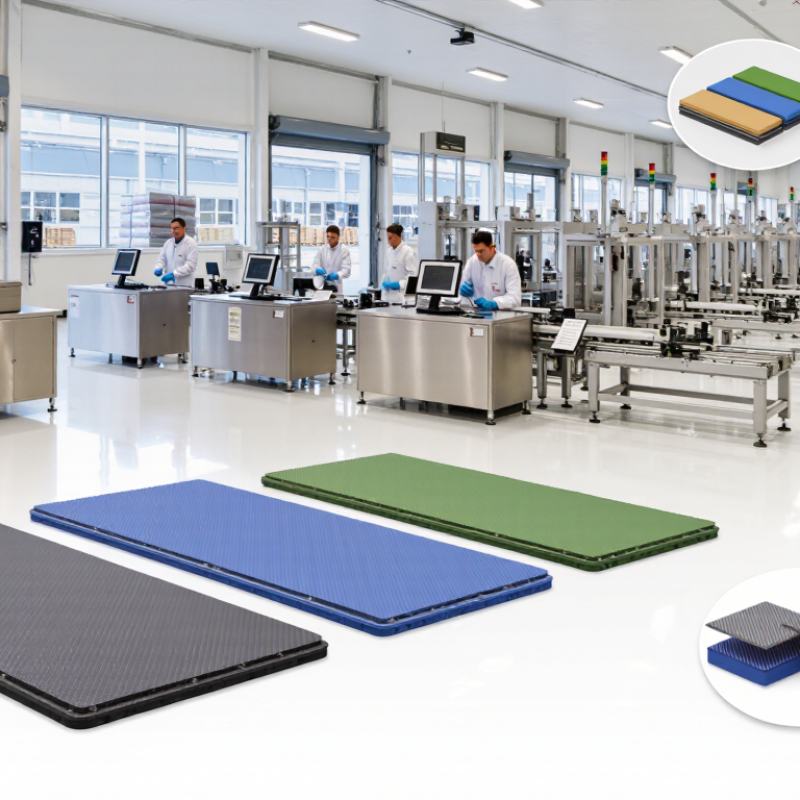
Sanitizing mats are floor mats designed to reduce microorganisms carried on footwear. Most use a shallow reservoir, absorbent layers, or textured channels that hold disinfectant solution. When someone steps across the wet surface, the liquid reaches shoe soles and loosens surface soil. Some designs also remove debris mechanically. The mat needs enough contact time.
Their performance depends on chemistry, coverage, and maintenance, not appearance alone. Workers should remove visible dirt before crossing, because mud can dilute or block the solution. The disinfectant must suit the flooring and footwear. Always follow usage instructions and verify the required concentration. Contact time matters. If the mat is nearly dry, it may provide little sanitizing action. If overloaded with soil, it can spread contamination instead. This is easy to overlook.
In practice, place mats at entrances to food rooms, laboratories, or controlled production areas. Predictable foot traffic makes monitoring easier. Inspect the liquid level, replace dirty solution, and wash the mat on a documented schedule. Records help teams verify that maintenance actually happened. In real facilities, compliance is rarely perfect. A mat cannot clean hands or replace proper footwear hygiene. I would also test slip resistance, because wet surfaces can become hazardous when maintenance is rushed. That detail deserves more attention.
Sanitizing mats are liquid-filled entrance mats designed to wet shoe soles with a disinfecting solution. The solution must remain in contact with the surface for the time stated on its disinfectant label; the ranges below represent commonly listed contact-time ranges for different microorganism groups.
Contact time varies by active ingredient, concentration, temperature, and regulatory label. Always follow the specific product label and keep the mat sufficiently wet during use.
China’s sanitizing mat manufacturing industry is organized around several specialized supply-chain layers. Material suppliers produce PVC, rubber, absorbent fabrics, adhesive films, and disinfectant-resistant coatings. Mat factories then combine these materials through cutting, molding, printing, stitching, or heat bonding. Some manufacturers focus on disposable adhesive mats, while others make reusable entrance mats with liquid-holding channels.
Production is often divided between large export-oriented factories and smaller workshops serving regional buyers. Larger facilities usually manage mold design, quality inspection, packaging, and shipment under one roof. Smaller suppliers may outsource printing, chemical treatment, or edge binding. This reduces equipment costs, but it can make traceability more difficult. A reliable buyer should request production samples, material specifications, batch records, and test reports before placing a large order.
Quality control should examine more than appearance. Inspectors can check mat thickness, surface grip, liquid absorption, odor, edge sealing, and resistance after repeated cleaning. The disinfectant formula also requires careful review, because compatibility differs between rubber, PVC, and fabric surfaces. Clear labeling and safety documentation matter in every market. The system is practical, but not flawless. Samples may perform well while bulk production varies. Factory audits, random inspections, and written acceptance criteria help reduce that risk. Suppliers with engineering teams can also adjust drainage channels, backing textures, and packaging for hospitals, factories, laboratories, and commercial entrances.
Ranking China’s top 10 sanitizing mat manufacturers requires more than comparing prices. The evaluation should begin with verified manufacturing experience, stable production capacity, and clear product specifications. Evidence matters. A serious supplier should explain mat thickness, liquid retention, backing materials, and expected service life.
Quality control deserves strong weighting. Inspectors should review incoming materials, adhesive strength, edge finishing, surface uniformity, and packaging protection. Independent test reports can support claims about slip resistance, chemical tolerance, and cleaning performance. Factory audits, sample comparisons, and documented inspection records offer more reliable evidence than polished catalogs. Small details count. A mat that curls at the entrance can create practical problems.
The ranking should also consider customization accuracy, delivery consistency, communication, and after-sales handling. Manufacturers serving hospitals, laboratories, food facilities, and commercial buildings may understand different hygiene pressures. However, industry experience alone does not prove current performance. Production conditions can change, and one excellent sample may not represent every batch. That gap matters. A fair assessment should combine factory visits, repeat orders, user feedback, and recent compliance documents. Sustainability may receive additional credit when suppliers reduce packaging waste or offer replaceable layers, but environmental claims require measurable proof. A transparent scoring model can compare these factors without treating the cheapest quotation as the best value.
China’s top 10 sanitizing mat manufacturers represent a practical mix of factory types. Some focus on PVC entrance mats, while others produce modular systems for food plants, laboratories, and clean production areas. Their products commonly combine textured surfaces, drainage channels, and replaceable absorbent layers.
The strongest profiles show clear control over raw materials, molding, stitching, and final inspection. Several manufacturers support custom sizes, logo-free packaging, and different surface densities. Buyers should request test reports for slip resistance, liquid absorption, odor control, and material safety. Factory audits also matter. A clean showroom proves little.
Some suppliers operate large automated lines with stable monthly output. Others rely on smaller workshops and offer faster design changes. This difference affects consistency, lead time, and minimum order quantities. Experienced manufacturers usually explain cleaning frequency, drying requirements, and expected service life. Their technical teams may also suggest better tray depth or edge sealing for heavy foot traffic.
The profiles are not equally complete. Public information can be limited, and production capacity may change during peak seasons. A careful buyer should verify certificates, inspect samples, and compare batch quality before signing a long-term agreement. Small defects matter here. Loose edges, weak drainage, or fading fibers can create real maintenance problems. Supplier communication should be tested with specific questions, not general promises.
Choosing the right Chinese sanitizing mat supplier requires more than comparing catalog prices. In supplier evaluations, I check the mat’s layer structure, drainage design, and resistance to repeated cleaning. A reliable mat should remain flat beside an entrance. Its surface should offer stable footing when wet. Ask for material specifications, absorbency data, and test reports from an independent laboratory.
Factory experience matters. Request recent production photos, quality-control procedures, and a sample made from the same materials as the proposed order. A sample can reveal loose edges, uneven seams, strong odors, or poor liquid retention. Small details matter. Confirm the supplier’s minimum order quantity, lead time, packaging method, and replacement policy in writing. Clear communication is useful, but written records are better.
Do not select a supplier only because it appears in a top-ten search result. Visit the factory through a verified inspection service when possible, and compare its equipment with your required output. Ask how workers inspect size, thickness, color, and surface bonding. I would also test the mat in a realistic doorway for several days. A supplier may provide excellent samples but inconsistent bulk production. That risk deserves attention. The cheapest quotation is sometimes the most expensive choice after delays, waste, and repeated inspections.
| No. | Supplier Evaluation Dimension | What to Verify | Practical Evidence or Benchmark | Why It Matters |
|---|---|---|---|---|
| 1 | Product Design and Intended Use | Confirm whether the mat is designed for footwear sanitation, boot washing, or another specific application. | Request product drawings, usage instructions, and confirmation of the intended environment, such as food processing, healthcare, or general commercial entryways. | A mat designed for one application may not provide suitable coverage or performance in another. |
| 2 | Material and Chemical Compatibility | Identify the mat materials and check their compatibility with the disinfectant and cleaning agents used at the site. | Ask for material specifications and written compatibility information for the actual disinfectant, concentration, and contact conditions in use. | Some chemicals and repeated exposure can affect material strength, appearance, or service life. |
| 3 | Dimensions and Customization | Check available sizes, thickness, edge design, and whether custom dimensions or colors are offered. | Compare a dimensioned drawing or sample with the installation area, including door clearance and floor layout. | A correct fit helps reduce gaps, movement, and interference with doors or nearby equipment. |
| 4 | Liquid Capacity and Refill Requirements | Ask how much solution the mat is designed to hold and how frequently it needs inspection or replenishment. | Request the supplier's stated capacity and maintenance instructions; verify them with a sample under the intended operating conditions. | Capacity and maintenance frequency affect daily labor and the consistency of operation. |
| 5 | Slip, Stability, and Drainage Features | Review the underside, surface texture, edge profile, and any drainage or liquid-retention features. | Request product specifications and test information relevant to the intended floor type and wet-use conditions. | Surface and backing design can influence mat movement, liquid spread, and safe access. |
| 6 | Cleaning and Maintenance | Establish how the mat is cleaned, emptied, dried, and inspected, and whether any parts are replaceable. | Request written care instructions, recommended cleaning methods, and details of replacement components, if applicable. | Clear procedures help maintain hygiene and reduce avoidable wear or downtime. |
| 7 | Quality Management and Inspection | Review the supplier's quality-control process and determine whether inspection records are available for production batches. | Ask for relevant quality-system documentation, inspection criteria, and a pre-shipment inspection plan. Verify any certificates with the issuing body. | Documented controls make product consistency and order acceptance easier to assess. |
| 8 | Samples and Product Validation | Evaluate a representative sample before confirming a bulk order. | Agree on sample specifications and check dimensions, construction, handling, cleaning, and compatibility with the intended disinfectant. | Sample evaluation can reveal practical issues that may not be apparent from photographs or descriptions. |
| 9 | Order Terms and Production Planning | Confirm minimum order quantity, production lead time, payment terms, packaging, and procedures for handling changes or defects. | Request a written quotation and purchase specification covering product details, quantities, delivery terms, and agreed inspection requirements. | Written terms reduce uncertainty when comparing offers and coordinating delivery. |
| 10 | Export Documentation and After-Sales Support | Check the supplier's experience with the destination market and its process for resolving quality or shipping issues. | Confirm which export and shipping documents can be provided, who handles freight arrangements, and how claims and replacement parts are managed. | Reliable documentation and support help prevent avoidable delays and clarify responsibilities after shipment. |
It transfers disinfectant solution onto shoe soles and may loosen surface dirt. It does not replace proper footwear hygiene.
Place it at a monitored entrance to a food room, laboratory, or production area. Predictable foot traffic helps staff check it.
Check that the mat stays wet and has no heavy soil buildup. Follow the disinfectant’s instructions for concentration and contact time. Appearance alone is not enough.
Replace dirty solution and follow a documented cleaning schedule. The exact timing depends on use, soil, and product instructions.
Yes. Wet flooring may become slippery, especially when maintenance is rushed. Check grip and mat stability at the entrance.
Common materials include PVC, rubber, absorbent fabric, and adhesive film. Their compatibility with disinfectants can vary.
Request material specifications, sample results, batch records, and recent test reports. Compare bulk production too; one good sample proves little.
Check liquid retention, edge sealing, surface grip, delivery consistency, and customization accuracy. I might overlook packaging waste, but measurable evidence helps.
This guide explains what a Sanitizing Mat is, how it supports routine hygiene control, and how its layered structure, absorbent materials, and disinfecting solution work together to help reduce contaminants carried by footwear and equipment. It also introduces the organization of China’s sanitizing mat manufacturing industry, including material suppliers, product designers, contract manufacturers, quality-control teams, and export-oriented distributors.
The article presents a practical framework for evaluating China’s top ten sanitizing mat manufacturers without relying on brand reputation alone. Key criteria include production capacity, material consistency, customization options, durability, safety documentation, testing procedures, delivery reliability, communication, and after-sales support. Each manufacturer profile is assessed from these business and product perspectives, helping buyers compare suppliers more objectively. The final section explains how to choose the right Chinese supplier according to application requirements, facility conditions, order volume, budget, compliance expectations, and long-term cooperation goals.

YUNIS Trading